
Why Breaking In New Shoes Feels Like a Full-Contact Sport
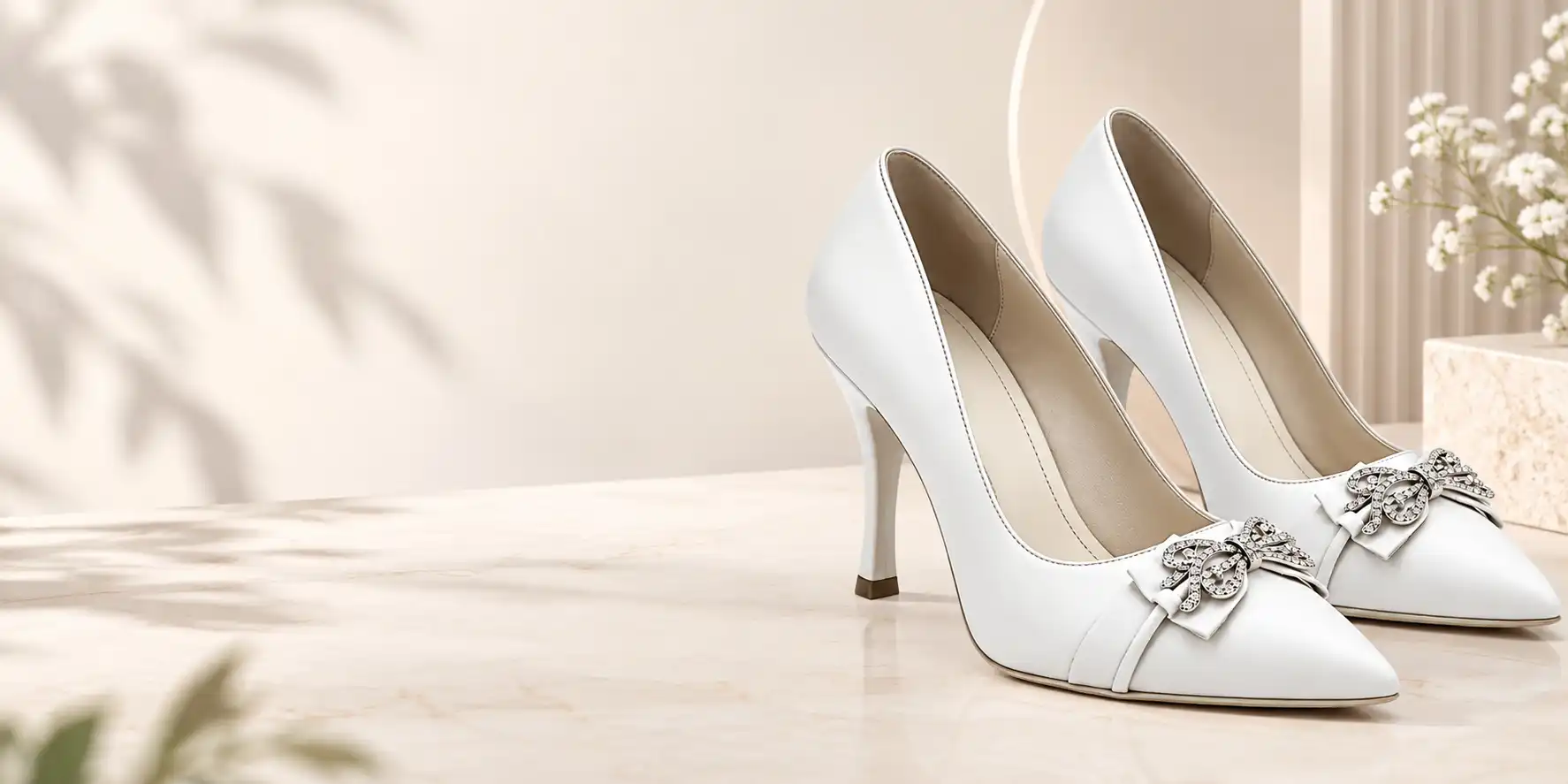
New shoes arrive carrying a promise: sharper outfits, fresher confidence, and a reason to walk differently. Then reality joins the conversation. Ten minutes outside, your heels starts negotiating, your toes file complaints, and every staircase becomes a personal challenge. Breaking in footwear can feel absurdly dramatic because your feet and the shoes are learning each other under pressure. The good news is that discomfort is not a compulsory entry fee for style. With smarter selection, shorter first outings, and a few practical checks, you can turn that awkward introduction into a smoother partnership before your shoes ruin the occasion entirely.
The New-Shoe Reality Nobody Photographs
Product photos show polished uppers and graceful silhouettes. They rarely show the cautious walk to work or the discreet search for plaster after lunch.
Materials tend to flex, foot-beds compress slightly, and closures settle into place. Yet there is a meaningful difference between mild stiffness and a shoe that fights for your foot. Pinching, numbness, sharp rubbing, or toes pressed into an unnatural position are not charming signs of progress. They are information.
Approach the first wear as a conversation. Your feet reveal pressure, stability, and whether the shape matches your movement. Listening early can prevent another shelf ornament.
Why the First Few Wears Feel So Dramatic
A new shoe has not yet adapted to the repeated bands of your stride. The upper may resist where your foot flexes, the heel counter may feel rigid, and the sole may lack the movement it develops after several short outings. Meanwhile, your foot changes throughout the day. Heat, walking, and long periods of standing can create slight swelling, making a fit that felt acceptable in the morning feel crowded later.
Design also changes the experience. A pointed toe concentrates space differently from a rounded toe. A platform alters how the foot rolls forward. A loafer depends heavily on heel hold, while a slingback relies on strap placement. Two pairs in the same labeled size can therefore behave like entirely different personalities.
Size alone cannot decide comfort. Shape, volume, material, construction, and intended use matter. The box number begins the decision but cannot finish it.
Fit Problems Disguised as a Break-In Period
Here is the expensive trap: believing every painful shoe merely needs more time. Some shoes soften. A poor match usually remains a poor match.
Check the toe first. Your toes should have room to rest without curling, overlapping, or pressing firmly against the front. Next, notice the widest part of your foot. It should sit near the widest section of the shoe, rather than spilling beyond it or floating inside it.
Then assess the heel. A small amount of movement in certain styles may settle, but repeated lifting that changes your stride suggests weak hold. Tight straps can also create concentrated pressure that become worse across a long day.
Finally, copy real movement indoors. Turn, climb steps, sit, rise, and change speed. A mirror tend to reveal appearance, while movement reveals compatibility. If your gait changes, the shoe demands too much compromise.
Build a Smarter First-Wear Strategy
Do not debut unfamiliar shoes during a full day of commuting, meetings, errands, and dinner. Give the relationship a smaller first assignment.
Start indoors for twenty to thirty minutes while wearing the socks or hosiery you plan to pair with them. This keeps the soles clean while helping you identify pressure points. On the next wear, choose a brief outing with seating nearby. Gradually add time only when the previous session felt manageable.
Timing matters too. Try shoes later in the day, when feet may be slightly fuller. This offers a more realistic picture of how the pair will feel after hours of movement. If you use insoles, heel grips, or specific socks, bring them into the fitting process from the beginning.
Keep return requirements in mind. Avoid outdoor wear until you know the fit works. Retain the box, inserts, and labels, and review eligibility rules before trying anything that could mark the shoes.
Choose Techniques That Respect the Shoe
Online shortcuts involving heat, water, freezers, and aggressive bending can damage finishes, weaken adhesives, distort structure, or affect return eligibility.
For leather or leather-look uppers, gentle indoor wear allows flex points to form through natural movement. Thick socks may create a little extra room, but only when the shoe is mildly snug and the added pressure remains comfortable. Shoe trees or purpose-made stretchers can help maintain shape, although material and construction should guide their use.
For straps, check whether another fastening position reduces friction without making the shoe unstable. For loafers or pumps, a discreet heel grip may improve hold if the fit is only loose. Socks, liners, or hosiery can reduce surface friction during early wears, provided they do not crowd the toe box.
The aim is not to force a transformation. It is to support gradual flexing while preserving the design you purchased.
Match the Shoe to the Actual Day
Many break-in disasters begin with an occasion mismatch. A new sculptural heel may look right for an event, but an evening involving long corridors, standing queues, and a distant ride home asks more from footwear than a seated dinner does.
Before buying, picture the route rather than the outfit alone. How far will you walk? Will you use stairs? Are the surfaces smooth, uneven, wet, or polished? How long will you stand? Will your feet have a chance to rest?
These questions make the purchase useful. A striking pair suited to your calendar earns repeat wear. One chosen for an imagined life often remains boxed.
Consider building footwear around roles. Keep pairs for long walking days, polished work settings, relaxed weekends, and shorter social outings. When each shoe has a realistic job, you are less likely to demand an athletic performance from a design created for a brief entrance.
Shop for Compatibility, Not Wishful Thinking
The strongest break-in plan begins after checkout. Read the product details for upper material, lining, sole structure, heel height, closure type, and fit notes. Compare those details with shoes you already wear often. Patterns will appear. Perhaps rounded toes suit you, adjustable straps give you better control, or rigid counters repeatedly cause friction.
Use measurements as a starting point, but account for width and foot shape. Measure both feet while standing and use the larger measurement. Between sizes, consult the shop’s guidance rather than assuming a smaller pair will stretch.
Customer photos and feedback reveal patterns, but your history carries greater weight. Someone else’s all-day shoe may not match your arch, toe shape, or stride. Buy for the feet you have.
Create an Emergency Kit Before You Need It
Even a promising pair can produce unexpected rubbing during an early outing. A small shoe kit can prevent a minor issue from taking over your day.
Pack adhesive bandages, blister pads, thin socks, and a compact backup shoe when possible. Apply protection as soon as friction appears. Waiting makes the journey harder.
Pay attention to location. Rubbing at the heel may point to movement, while pressure across the toes may signal limited space. A strap mark can suggest poor placement or excessive tightness. Each clue helps you decide whether a small adjustment is enough or whether the design simply does not suit your foot.
There is no prize for enduring a shoe that makes every step miserable. Style should support your presence, not dominate your thoughts from the ankles down.
The Real Goal Is Repeat Wear
A shoe earns its place in your wardrobe through repeated, confident use. That is the conversion shoppers should pursue, not the quick thrill of a beautiful box arriving at the door.
Look for a fit that feels stable, a shape that respects your foot, and a design aligned with your routine. Introduce the pair through short sessions, respond early to friction, and remain willing to return a mismatch. These habits reduce regret while making online and in-store choices more intentional.
Breaking in new shoes may always involve a little negotiation. It should not feel like a battle. Choose with practical curiosity, let the materials adjust gradually, and judge every pair by what happens after the mirror moment. The right purchase is the one you reach for again, walk in naturally, and keep wearing long after the new-shoe excitement fades.