
When Your Shoe Collection Becomes More Expensive Than Your Partner
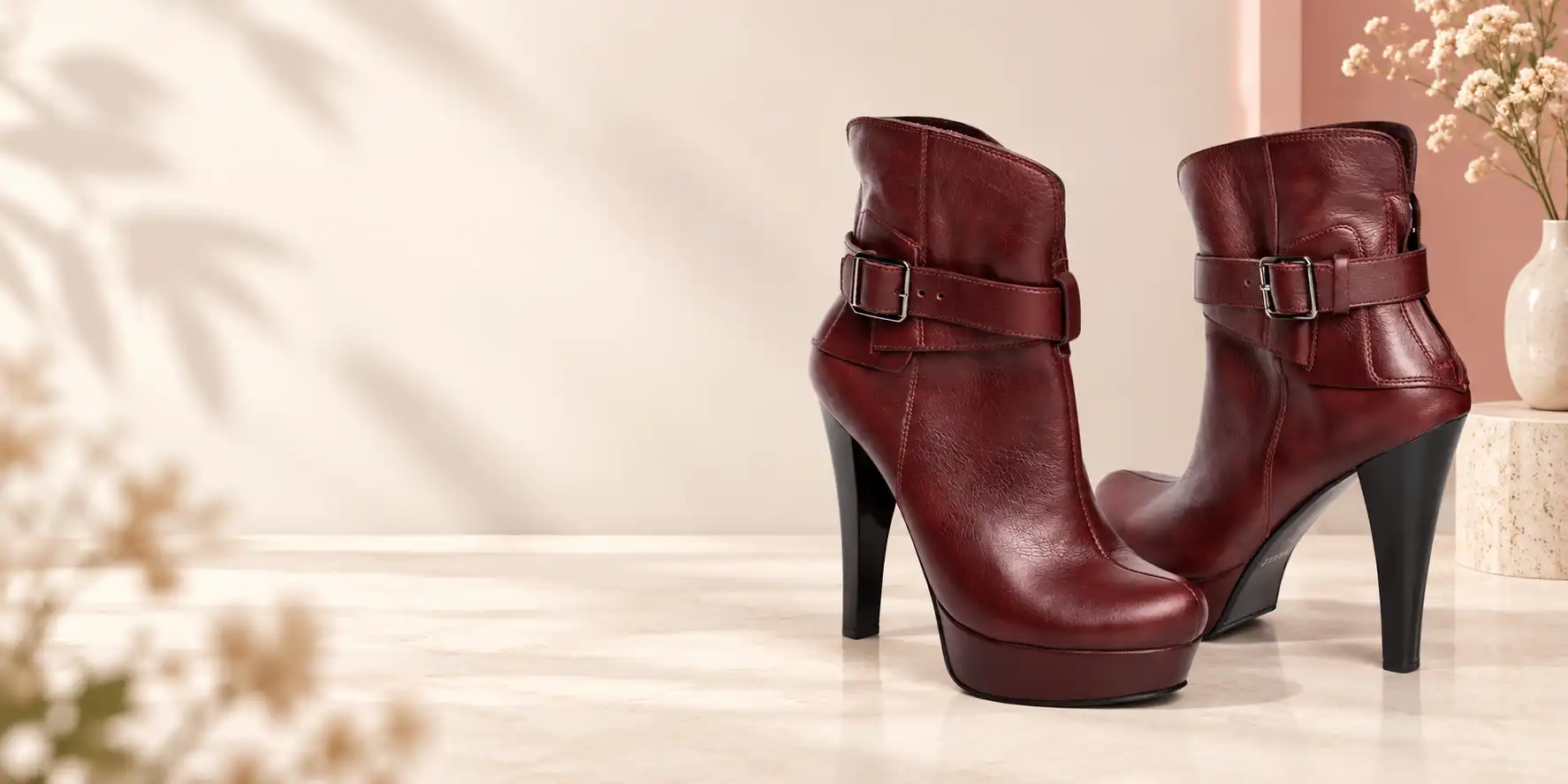
It starts with one irresistible pair. Then another arrives because the color fills a gap, followed by boots for colder days, heels for special plans, and sneaker that somehow have entirely different jobs. Soon your shoe shelf looks curated enough to charge admission, while your partner quietly calculates how many dinners are standing beside the doorway. A growing collection can be joyful, expressive, and surprisingly useful, but only when every purchase has a purpose. Before the boxes take over the closet and the conversation, it may be time to ask whether you are building a wardrobe or funding a museum.
The Collection Did Not Grow Overnight
Few shoppers decide to create an enormous shoe collection. It happens through small, easily justified purchases. A sale makes one pair seem sensible. A coming event creates reason for another. A fresh silhouette appears online, and suddenly everything already owned feels oddly incomplete.
Each decision makes sense by itself. The surprise appears when the pairs are viewed together. Similar colors tend to repeat, barely different heel heights compete for the same occasions, and several shoes wait for a version of your schedule that rarely exists.
This is where awareness changes the story. Owning many shoes is not automatically wasteful, just as owning fewer pairs does not automatically makes a wardrobe functional. The real question is whether your collection supports your routine, personal style, and the available space. If it does, the shelf is working. If it does not, the collection may be running the show.
Why Shoes Are So Easy to Justify
Shoes occupy a fascinating place in shopping psychology. They can change the attitude of an outfit without requiring a completely new wardrobe. A strong platform makes simple clothing feel bolder. A sleek loafer creates polish. A playful heel turns an ordinary dinner look into something memorable.
That visual impact makes each new pair feel like a shortcut to reinvention. Unlike a shirt or a dress, footwear may also seem less affected by everyday changes in fit. Shoppers therefore see shoes as lasting style assets, even when the design is too demanding for regular wear.
That feeling can be persuasive. Yet aspiration should begin the evaluation, not conclude it. A shoe deserves room in your collection only if the imagined scene has a realistic chance of happening.
The Partner Comparison Is Funny Until It Is Not
Comparing a shoe collection with a partner makes a witty headline, but shared spending can become a serious source of tension. The issue is rarely one isolated purchase. Frustration usually grows when packages keep arriving, storage begins spilling into shared areas, or one person feels excluded from decisions affecting joint priorities.
The answer is not asking permission for every personal purchase. It is creating clarity. If household commitments are covered and both people understand the boundaries, individual style spending can remain enjoyable. Hidden orders, vague totals, and defensive explanations create a different atmosphere.
Try discussing the collection without turning the conversation into a courtroom. Share what shoes meant to you, whether that is creativity, confidence, collecting, or simply enjoyment. Then listen to what concerns your partner. They may be reacting to clutter, repeated purchases, shared goals, or the feeling that the subject cannot be discussed.
A calm agreement works better than an accusation. Set a personal shopping allowance, define shared storage limits, or use a one-in, one-out rule. Structure protects the fun because it removes uncertainty from the next purchase.
Calculate Cost Per Wear Before Checkout
A low price can still create poor value when a shoe is worn once. A higher price may make more sense when the pair fits well, works across several outfits, and appears in your weekly rotation. Cost per wear helps expose that difference.
The calculation is simple: divide the purchase price by the realistic number of wears. The important word is realistic. Do not imagine twenty formal events if your calendar usually contains two. Do not count daily use for a shoe that pinches after fifteen minutes.
Cost per wear is not a command to buy only plain shoes. A vivid occasion pair can justify its place through delight, even with fewer outings. The exercise simply asks you to recognize what you are buying and why.
Audit the Shelf Like a Stylist
A useful wardrobe audit begins with visibility. Take every pair out and arrange the collection by role rather than color. Create groups for work, long walking days, social plans, formal occasions, relaxed weekends, seasonal conditions, and statement dressing.
Now study the balance. Do you have eight dramatic heels but no comfortable option for an event involving standing? Are several sneakers serving the same purpose? Do your work shoes match how you currently dress, or a position you held years ago?
Next, use four practical questions for every pair:
- Does it fit comfortably now?
- Have I worn it within the past year?
- Can I style it with three existing outfits?
- Would I choose it again today?
A single no does not require removal. Several no answers reveal friction. Set uncertain pairs aside and revisit them after a month. If you did not think about them, wear them, or search for them, their role may already be clear.
Recognize the Warning Signs of Shopping Drift
Shopping drift occurs when buying continues after the original purpose disappears. You opened a site to replace worn flats, but thirty minutes later you are comparing metallic boots. You visited a store for office shoes and left with a pair suited to a party that is not scheduled.
Another signal is purchase amnesia. If a box arrives and you briefly forgot what is inside, the excitement may be attached to ordering rather than ownership. Likewise, unopened boxes and attached labels suggest the collection is growing faster than your ability to use it.
Introduce a waiting period. Save the product, close the page, and return after forty-eight hours. During that pause, check your inventory, build three outfits around the shoe, and identify two realistic places you would wear. Desire that survives practical questions is more meaningful than urgency created by a countdown.
Build Rules That Still Leave Room for Fun
A smart collection doesn’t need to feel restrictive. Rules should make each addition more satisfying by reducing regret and repetition.
Begin with a category limit based on your lifestyle. Someone who walks daily may need several sneakers, while someone attending frequent events may use more formal options. The numbers should reflect behavior, not a generic capsule-wardrobe formula.
Next, create a replacement list. Record pairs that are worn down, uncomfortable, or no longer aligned with your clothing. Shop from that list before exploring unrelated style. This gives browsing a direction without removing spontaneity.
You might also create a separate allowance for expressive purchases. Once it is used, new finds wait until the next cycle. Selling or donating an unworn pair can create space, but it should not become a loophole for constant turnover.
Finally, count storage as a fixed boundary. When the designated shelves are full, something must leave before something enters. Physical limits are wonderfully honest. They make excess visible before it becomes an argument beside the closet.
Make Every Future Pair Earn Its Place
The goal is not to shrink your shoe collection until it loses personality. It is to build one that feels exciting when you open the door and useful when you get dressed.
Before checkout, ask what job the pair will perform, which outfits it supports, how often it can appear, and whether a similar option already exists. Review fit information, materials, construction, return conditions, and the demands of your real schedule. A beautiful shoe becomes more persuasive when it can move beyond the product image and into your week.
Include your partner in reality, even if footwear is entirely your passion. Shared space and shared priorities deserve open discussion. Humor can make the subject easier, but honesty keeps it easy afterward.
Your collection should tell a story about taste, movement, and memorable choices, not impulse disguised as identity. Buy fewer duplicates, choose stronger roles, and let anticipation build before each addition. When every box has a reason, the shelf becomes more than an expensive punchline. It becomes a wardrobe filled with shoes you understand, enjoy, and actually wear.