
Slay Without the Blisters: 7 Shoes That Won’t Betray You on a 10,000-Step Day
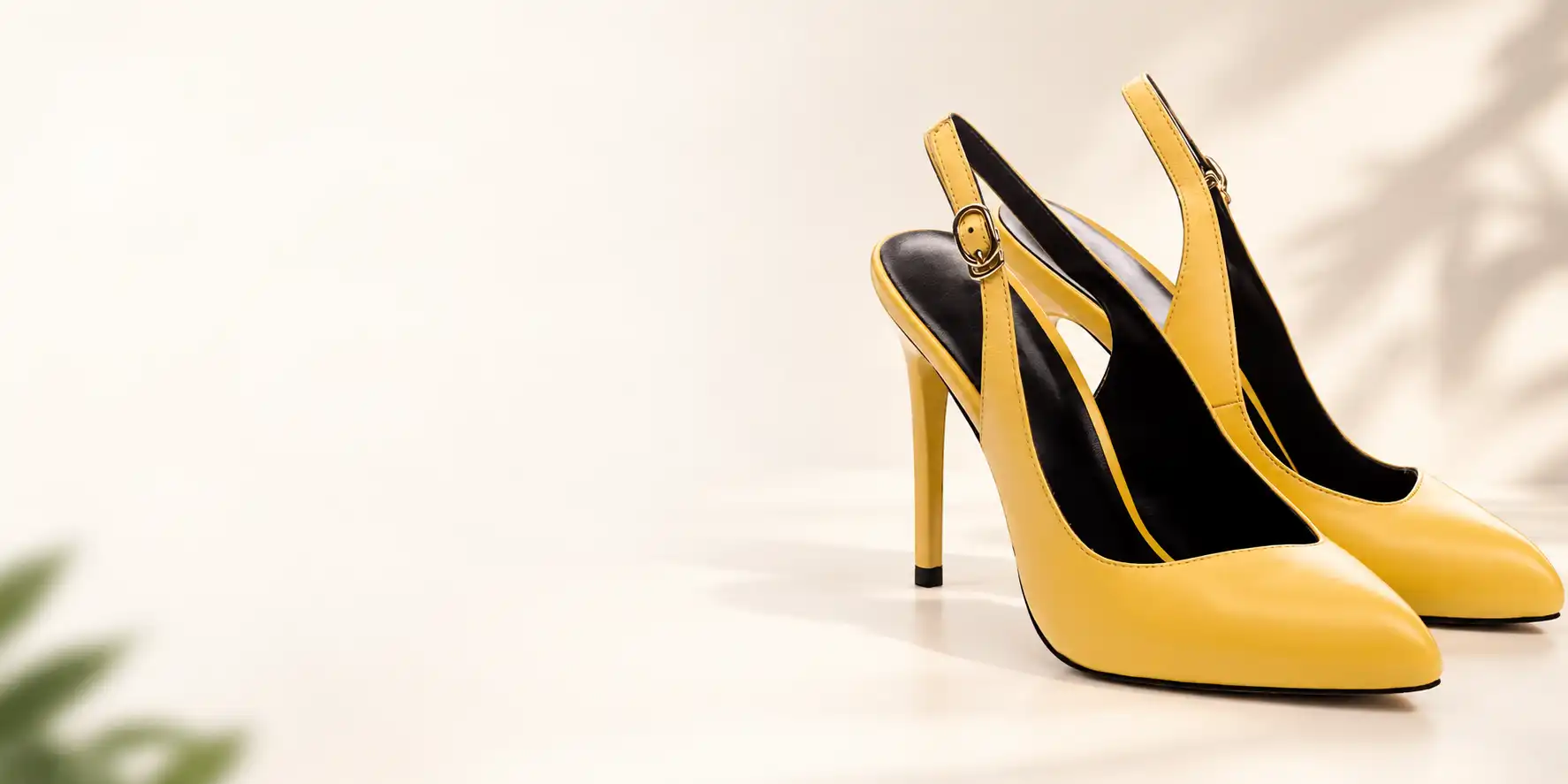
Your outfit is giving confidence, your calendar is packed, and your step counter has barely warmed up. Then, somewhere between the morning commute and an afternoon coffee run, your shoes begin plotting against you. A rubbing heel becomes a limp. A narrow toe box turns every crossing into a negotiation. By dinner, style feels like a questionable decision. It doesn’t have to end this way. The right shoes can carry a look through busy streets, long queues, office corridors, and spontaneous plans. Meet seven stylish options built for movement, plus smart shopping clues that help your feet stay happy.
The Real Test Is Hour Six
Long-day discomfort grows because daily walking involves heat, swelling, repeated impact, pavement changes, stairs, and constant bending.
Start with fit. Your toes need room to spread naturally, while the heel should sit securely without scraping. The shoe should bend near the ball of the foot, where your foot bends, rather than folding through the middle. Cushioning should soften impact without making your stride feel unstable. A grippy sole also matters when polished floors, wet paths, or hurried crossings enter the picture.
Structure, fit, and balanced cushioning matter together.
1. The Sleek Knit Sneaker
The knit sneaker is the social butterfly of a walking wardrobe. Its flexible upper adapts as feet expand throughout the day, reducing the rigid pressure that often appears around toes and side joints.
Choose a design with stable heel counter, a removable insole, and a sole that bends at the forefoot. If your toes create visible bumps against the material, move up a size or seek a wider shape. Pair streamlined versions with cropped trousers, a relaxed suit, a midi skirt, or a straight denim.
2. The Cushioned Leather Loafer
Loafers bring polish without demanding a heel, but their walking value depends heavily on construction. Seek supple leather or a flexible alternative, a padded collar, and enough depth across the forefoot.
The strongest walking loafers include a cushioned foot-bed and a rubber outsole with visible traction. A slightly rounded or almond toe usually gives toes more freedom than a sharply tapered front. The upper should hold your foot without pressing down whenever you bend forward.
Style this pair with ankle trousers, pleated skirts, shirt dresses, or roomy denim. If bare ankles are the goal, thin no-show liners can provide a useful barrier.
3. The Supportive Ballet Flat
The ballet flat has charm, simplicity, and a famously mixed relationship with long walks.
Look for a cushioned insole, a flexible rubber base, and an upper that follows the foot without squeezing it. A higher-cut vamp or slim strap can prevent heel gripping, which happens when toes tense to keep a loose shoe in place. A square or softly rounded toe also creates welcome space.
These flats work beautifully with wide-leg pants, airy dresses, and cropped jeans. Before committing, walk quickly, turn sharply, and climb a few stairs. If the heel lifts repeatedly or your toes start clenching, the fit will not improve during a long day.
4. The Platform Sandal With Real Straps
A platform sandal can add height while distributing pressure more evenly than a steep heel. The winning version has an ankle strap, a secure forefoot strap, and a base wide enough to keep each landing steady.
Check that no strap crosses a joint or cuts into the foot as you move. The platform should roll gently from heel to toe rather than feeling like a solid plank. Texture underneath is essential for warm-weather streets and smooth indoor flooring.
Use this shoe to lift linen trousers, column dresses, flowing skirts, or tailored shorts. Break the pair in during shorter outings before assigning it a full-day itinerary. Your first 10,000-step attempt should never double as the shoe’s first trip outdoors.
5. The Low Block-Heel Pump
Some days call for a sharper silhouette, and a low block heel answers without forcing the foot onto a narrow point.
It should sit beneath your natural heel, not at the far back edge of the shoe. The toe box needs enough width for natural movement, and the opening should not bite into the sides. A lightly cushioned foot-bed and flexible forefoot make repeated steps less punishing.
A slingback or secure strap can reduce slipping, though the strap should remain comfortably in place. Walk on hard flooring during the try-on and listen to your stride. For a long event, choose a pair already worn successfully for several hours.
6. The Modern Walking Sandal
A modern walking sandal uses multiple adjustable straps, a shaped foot-bed, and a flexible sole to create an open shoe that actually stays attached to the foot.
It keeps the foot from sliding backward and reduces the urge to curl the toes. Check the edges of every strap, especially around the smallest toe and ankle bone. Soft linings can lower friction, while adjustable points let you respond to swelling during humid afternoons.
Broader straps add visual weight to oversized shirts, utility skirts, or relaxed coordinates. Keep the foot-bed proportionate to your foot. Toes and heels should sit fully inside its edges, with a small margin around them. Overhang is not merely awkward; it changes how you land and invites contact with the ground.
7. The Refined Ankle Boot
An ankle boot can handle serious mileage when its shape respects movement. Search for a roomy toe, low stable heel, cushioned interior, and outsole with traction.
If the edge hits an ankle bone or rubs the same spot with every stride, that irritation will multiply across thousands of steps. Try the boots with the sock thickness you intend to wear. The combination should feel secure, with no cramped toes or heel lift.
An understated boot works with straight jeans, knitted dress, long skirts, and tailored pants. A pointed appearance can still work if the actual toe chamber remains broad and the point extends beyond the toes. Before a full day out, flex the shaft at home and wear the pair during brief errands so the materials begin move naturally.
Your Five-Minute Store Test
Try both shoes, since feet often differ slightly in size. Shop later in the day when feet may be fuller, and wear the socks or liners planned for real use.
Walk at your normal pace, then speed up. Turn, stop, rise onto your toes, and use stairs if available. Notice sliding, pinching, pressure, or any urge to adjust your stride. A shoe that asks you to move differently is already making a costly demand. Do not assume painful areas will simply disappear after repeated wear.
Check inside for rough seams, exposed edges, or uneven padding. The sole needs enough grip for familiar settings and enough flex for a smooth roll through each step. Versatility increases wear, which makes a thoughtful purchase far more useful than an exciting pair that rarely leaves its box.
Small Habits That Keep Style Moving
Begin with shorter outings and increase wear time gradually. Rotate pairs across busy days so the same areas do not face identical pressure every morning. Choose socks that sit smoothly, manage moisture, and remain in place.
Pack a small blister patch for unexpected friction, especially during travel or events. If rubbing begins, respond early rather than waiting until every step hurts. Keep shoes dry between wears and allow interiors to air out. Replace compressed insoles or worn soles when cushioning and traction fade.
A dinner reservation and a city-wide errand marathon demand different footwear, even when the outfit is similar. Selecting shoes for the route is not surrendering style. It is styling with information.
Walk Further, Look Sharper
The right 10,000-step shoe doesn’t need to look clinical, bulky, or disconnected from your wardrobe. It needs a secure fit, natural flexibility, balanced cushioning, useful traction, and a shape you actually want to wear.
Start with the style that matches your routine, then judge the individual pair through movement. A knit sneaker suits mixed schedules. A substantial ballet flat offers lightness. Platforms and walking sandals handle warmer days. A block heel raises the mood, while an ankle boot brings coverage and edge.
Your shoes should support the plan, not become the day’s main problem. Shop for the tenth thousandth step, not only the first mirror glance. When comfort and personality work together, you can cross the city, accept the spontaneous invitation, and arrive looking as composed as you did when you left.