
Finding Footwear for People Who Refuse to Squeeze
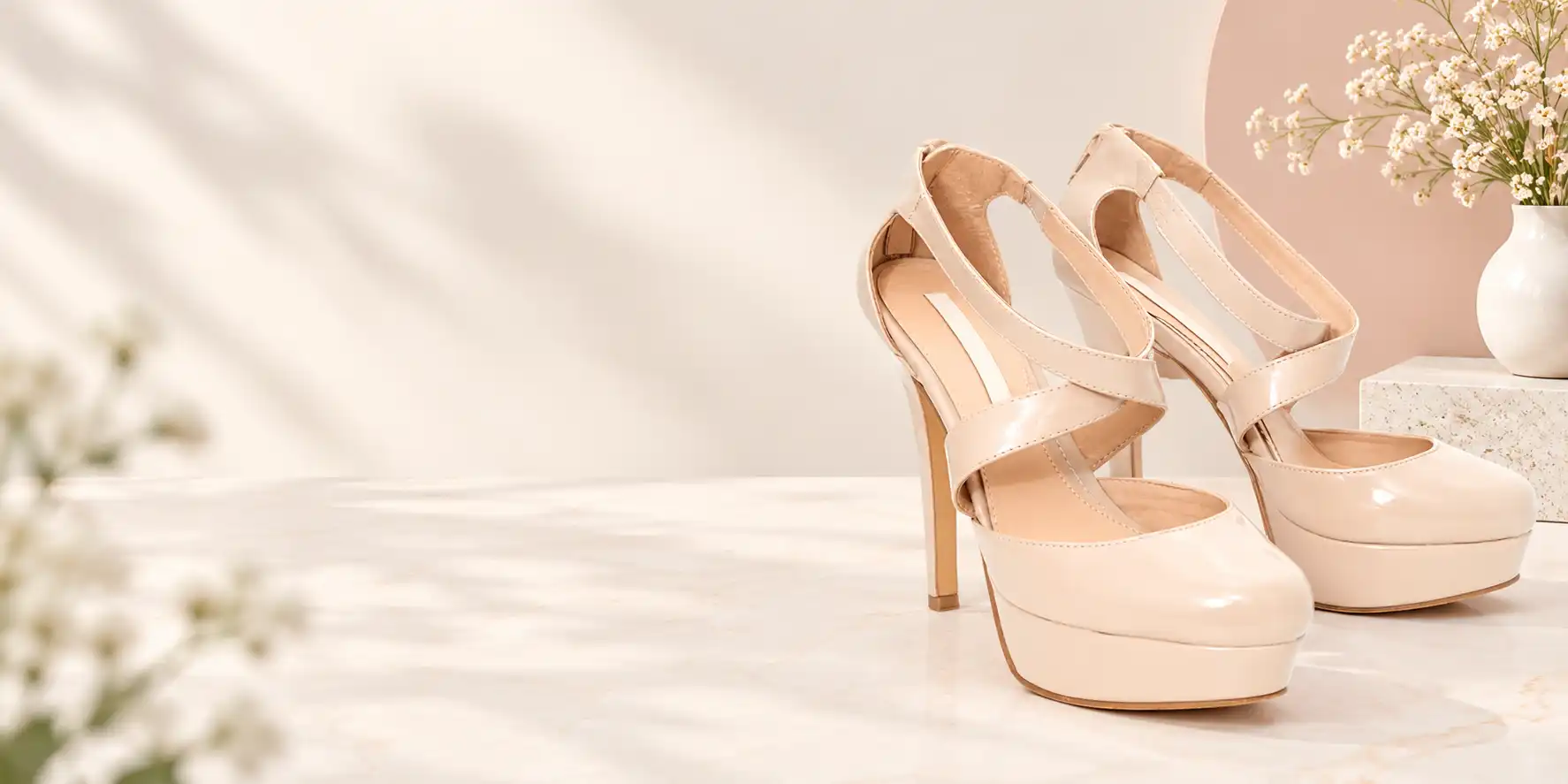
There is a special kind of betrayal that happens when beautiful new shoes require your toes to negotiate for space. The mirror says polished; but your feet are planning an escape before you reach the door. Style should not demand cramped steps, strategic sitting, or an emergency backup pair hidden in your bag. If you refuse to squeeze into footwear shaped for someone else, you are not being difficult. You are shopping with standards. The smarter goal is finding shoes that tend to respect your width, movement, and routine while still delivering personality. Comfort and strong design can share the same shoe.
The Squeeze Is Not a Style Requirement
Many shoppers have absorbed the idea that attractive footwear must feel tight at first. A narrow toe looks sleek, a close upper seems polished, and a firm fit can appear secure during a quick try-on. That visual story often persuades people to ignore what their feet are saying.
Some materials may soften through regular wear, but a shoe cannot be expected to change its entire shape. If your toes overlap, the sides of your feet press against the upper, or your stride becomes shorter, the issue is not a lack of patience. The shoe and foot are poorly matched.
Rejecting a mismatch is practical. Shoes influence how freely you move through commutes, workdays, errands, and social plans. A pair that looks impressive while sitting but becomes unbearable after twenty minutes has failed its everyday purpose.
The buying question should therefore shift from “Can I tolerate this?” to “Can this support the way I actually move?” That single change makes fitting rooms, product pages, and checkout decisions far easier to navigate.
Start With Foot Shape, Not the Size Label
A size number differs only one piece of the fitting puzzle. Two people wearing the same length may have different widths, toe shapes, instep heights, arch profiles, and heel proportions. Even your own feet may slightly differ from each other.
Measure both feet while standing, preferably later in the day when they may be fuller. Record length and width, then use the larger measurements when reviewing a size chart. Socks or hosiery should match what you expect to wear with the shoes.
Next, look at toe shape. Some feet narrow gradually toward the front, while others remain broad across the toes. A rounded or square toe box may provide a more natural match for a broader front. A pointed style can still work when its taper begins beyond the toes rather than squeezing them inward.
Pay attention to volume as well. A shoe can have enough width across the sole yet still press down from above. Adjustable laces, buckles, straps, or elastic panels can help accommodate a fuller instep and create a more personal fit.
Learn to Read the Silhouette
Product images contain clues if you know where to look. Begin with the outline of the sole. Does it remain wide through the front, or does it narrow sharply after the ball of the foot? A broader base usually provides more usable room than an upper that merely looks soft.
Study the angle of the toe box from above. Decorative stitching can create the illusion of width, so focus on the actual edge of the shoe. Side photographs can reveal how quickly the upper slopes downward and whether toes have vertical space.
Constriction also matters too. Seams placed across a pressure point may feel restrictive even when the measurements seem suitable. Firm overlays, thick piping, and rigid decorative panels can limit flexibility. Softer sections positioned where the foot bends may support easier movement.
Do not let styling distract from structure. Color, texture, and hardware tends to create desire, but the underlying shape decides whether the pair becomes a wardrobe regular. Inspect the shape first, then enjoy the details.
Use the Five-Minute Movement Test
Standing still in front of a mirror reveals very little about real wear. Once the shoes are on, spend several minutes recreating ordinary movement on a clean indoor surface.
Walk at a natural pace. Turn in both directions. Rise onto your toes, sit down, stand again, and climb a few steps if possible. Notice whether the heel stays stable, the forefoot bends freely, and your toes remain relaxed.
Watch your behavior. Are you curling your toes to hold the shoe? Are you shifting weight away from one side? Are you taking shorter steps because the upper resists movement? These adjustments can happen before discomfort becomes obvious.
Check each foot separately. The larger foot may reveal pressure while the smaller foot experiences heel movement. A removable insole, adjustable closure, or discreet heel grip may help manage a minor difference, but neither foot should be forced to accept a major mismatch.
The test is not about proving you can endure the pair. It is about discovering whether you can forget about the shoes once your day begins.
Shop Online Without Guessing
Online footwear shopping becomes much easier when you replace hope with a repeatable process. Start by comparing your measurements with the specific chart attached to the product. Do not assume the same labeled size behaves identically across every design.
Read descriptions for fit language, toe shape, closure, heel height, lining, and also upper construction. If the page includes photographs from several angles, compare the sole shape with a pair that already fits you well.
Review the return conditions before ordering. Note the eligible window, required packaging, and rules concerning sole condition. Try the shoes indoors before removing labels or wearing them outside. A clear process allows you to judge the pair without pressure.
Stop Buying for Fantasy Feet
Shoppers often buy shoes for the feet they wish they had. hey choose a narrow pump because it looks elegant in the photograph, assume a rigid boot will soften dramatically, or select a smaller size because the silhouette appears neater.
Your feet are not an obstacle to styling. They are the starting point. Once you accept their actual shape, you can direct attention toward designs that work with it. That freedom makes shopping faster and outfits more convincing because discomfort no longer changes your posture or expression.
The same realism should apply to your schedule. A shoe intended for long commuting needs different qualities from one worn during a seated dinner. Think about walking distance, standing time, surfaces, weather, and whether your feet tend to feel fuller later in the day.
Buying for reality does not mean choosing dull footwear. Platforms, bold colors, sculptural soles, textured uppers, and expressive details can all appear on roomier shapes. Refusing compression simply narrows the search toward shoes you may wear repeatedly.
Create a No-Squeeze Buying Checklist
Before adding a pair to your cart, pause for a practical review:
- Does the toe box follow my foot shape?
- Is there room above and beside my toes?
- Does the widest part align with my forefoot?
- Can I move without changing my stride?
- Will the closure adjust throughout the day?
- Does this design suit its intended setting?
- Can I return it if the indoor fitting fails?
This checklist keeps visual excitement connected to function. A shoe should pass both tests. If the design thrills you but the shape clearly conflicts with your measurements, admiration, does not to become ownership.
Choose Shoes That Let You Forget Them
Great footwear does not demand constant attention once you leave home. It supports the outfit, responds to movement, and allows your focus to remain on the day ahead.
Finding that experience begins with honest measurements, thoughtful product reading, and a refusal to normalize compression. Learn your toe shape, recognize useful silhouettes, test real movement, and give materials only the flexibility they can realistically provide.
When a pair doesn’t work, returning it is not a failed purchase. It is a successful decision made before the shoe could become an unworn box in your closet. Each rejection improves your understanding of what deserves a place in your wardrobe.
You don’t need to squeeze yourself into somebody else’s idea of stylish footwear. Choose shoes that respect your proportions, match your routine, and add energy to the clothes you already enjoy. The pair worth purchasing is the one that makes you want to walk further, stay longer, and reach for it again without negotiating with your toes.